
Have you ever felt like your body is reacting to something but you just cannot figure out what? Unexplained skin flare-ups, nights where sleep will not come, digestive discomfort that seems to come and go, low mood, or a persistent hum of anxiety. These kinds of symptoms are easy to dismiss or chalk up to stress. But there may be a missing piece worth looking at: histamine.
So what is histamine, exactly?
Histamine is a chemical your body makes naturally. It is also found in many common foods. Most of the time, your body handles it just fine, producing it when needed and breaking it down afterward. But when the breakdown process gets backed up, histamine can accumulate and start causing trouble in ways that are surprisingly easy to miss because the symptoms are so varied.
We are talking about things like hives, skin flushing, bloating, headaches, PMS, brain fog, poor sleep, anxiety, and even low mood.1 Histamine also plays a role in the production of stomach acid, which means when levels are off, digestion can be one of the first things to feel it.2 Research has linked elevated histamine levels to depression too, which means this is not just a digestive issue. It can affect how you feel mentally and emotionally, day to day.3
Because the symptom list is so wide, histamine intolerance often goes unrecognized for years. In my practice, when clients come to me struggling with a combination of energy, mood, and gut complaints, histamine is one of the things I want to explore, especially when food sensitivities are part of the picture.
Your liver is the key player here
Think of your liver as your body’s main filtration system. It is constantly working to process and remove compounds your body does not need, and histamine is one of them. When the liver is overloaded or not functioning at its best, histamine does not get cleared as efficiently and that is when it starts to pile up.4,5
One of the tools your liver relies on for this job is a compound called SAMe. You can think of SAMe as a little helper molecule that keeps the histamine clearance process moving. When SAMe levels are low, that process slows down and histamine builds up more easily.5The good news is there are simple, food-based ways to support this.
SIMPLE WAYS TO SUPPORT YOUR LIVER’S HISTAMINE CLEARANCE
B vitamins, especially B12, B6, and folate, are essential for keeping this process running smoothly. Found in leafy greens, eggs, legumes, and meat.
Protein at every meal. Your body needs amino acids from protein to produce that helper molecule. Eggs, fish, chicken, lentils, and beans are great sources.
Magnesium-rich foods like pumpkin seeds, dark chocolate, leafy greens, and almonds support the enzymes involved in this process.
Lighten the liver’s load. Alcohol, highly processed foods, and chronic stress all slow down how well your liver can do its job.
Here is where your genes come in
Beyond the liver, your body relies on specific enzymes to break histamine down, two in particular, one that works in the gut and one that works inside your cells. Some people are born with gene variants that mean these enzymes do not work as efficiently. In other words, they are genetically wired to clear histamine more slowly, and no amount of clean eating will fully change that on its own.6
Your genes also influence how you respond to supplements, including ones that are widely recommended for histamine. This is something I look at carefully with clients, because a supplement that is genuinely helpful for one person can create problems for another depending on their genetic makeup.
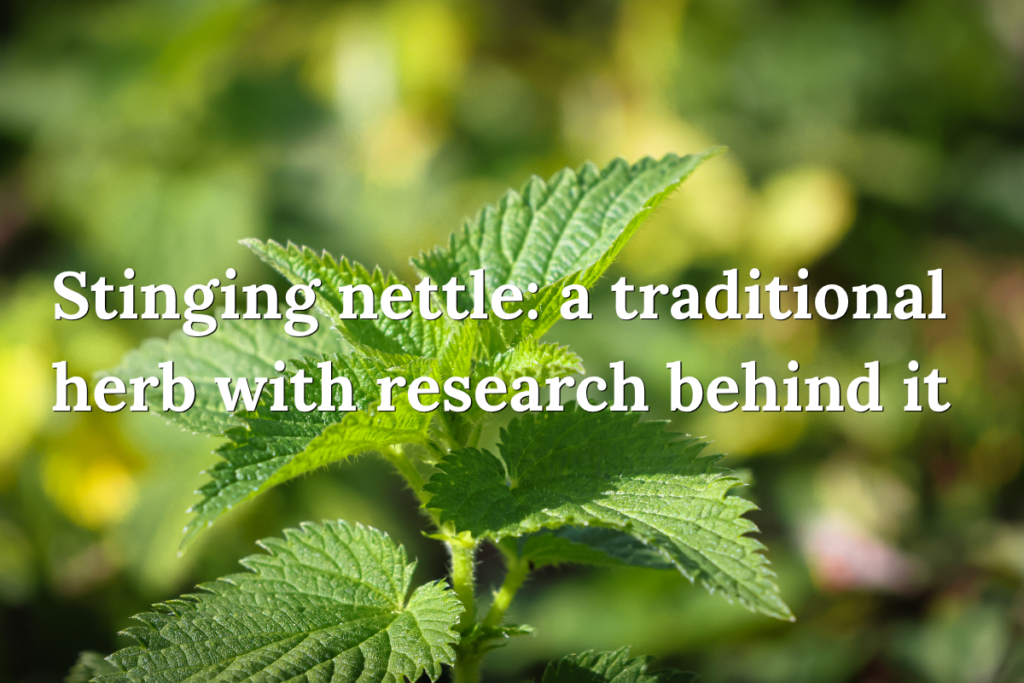
Stinging nettle has been used for centuries as a remedy, and modern research is starting to catch up with that long history. Studies show that nettle extract can block histamine at the receptor level, meaning it gets in the way before histamine can trigger a reaction. It also helps calm the immune cells responsible for releasing histamine and other inflammatory compounds in the first place.7
Nettle tea is an easy, accessible way to explore this herb. Freeze-dried capsules are another option, and fresh nettles can even be eaten as a cooked green when in season. That said, without knowing your full picture, your energy, digestion, nervous system, and how your body tends to respond, I cannot make a one-size-fits-all herbal recommendation. Herbalism is personal, and the right herb for one person may not suit another. If you are curious about exploring this further, working with a clinical herbalist is the best way to make sure it is a good fit for you.
A word on quercetin
You may have seen quercetin recommended as a natural antihistamine, and it does have real benefits. It helps calm the immune cells that release histamine and is naturally present in foods like onions, apples, capers, and berries. Eating these foods regularly is genuinely supportive for most people.
Where it gets more complicated is with high-dose quercetin supplements. Research shows that quercetin can also slow down two enzymes, the same ones encoded by the MAO and COMT genes mentioned above, that help your body process stress hormones and neurotransmitters.8,9 If those enzymes are already running slowly because of your genetics, adding a quercetin supplement on top could leave you feeling more anxious, wired, or off rather than better.
The bottom line on quercetin: Getting it through food is generally a great idea. Supplementing is where it pays to know your own biology first, especially if you tend toward anxiety, hormone sensitivity, or mood fluctuations.
This is a perfect example of why I use genetic testing in my practice. It takes the guesswork out of questions like “is this supplement right for me?” and lets us build a plan around how your body actually works.
Not sure where to begin? Start here.
Book Your Wellness Blueprint Call
If you are ready to stop guessing and start getting real answers, I offer personalized wellness plans that bring together nutrition consulting, clinical herbalism, and wellness coaching, all grounded in food sensitivity and genetic testing so we can understand what is actually driving your symptoms. Book a Wellness Blueprint Call to get started.
Histamine intolerance is real, incredibly common, and very often the missing piece for people who have been struggling with symptoms for years. Once you understand what is happening in your own body, it becomes something you can actually work with. You do not have to just live with it.
Want more like this?
Join the newsletter for exclusive wellness resources and be the first to know when a new blog post goes live.
Sign up below.
References
1. Murray, M. T., & Pizzorno, J. (2012). Encyclopedia of natural medicine (3rd ed.). Atria Books.
2. Baron, J. H. (1963). Studies of basal and peak acid output with an augmented histamine test. Gut, 4, 136–144.
3. Bauman, E. (2023, Spring). Brain anatomy and function [Lecture]. Therapeutic Nutrition IV (Course 210.1), Bauman College. Slides 23–24.
4. Bauman, E. (2022, Fall). Liver detoxification [Lecture]. Therapeutic Nutrition II (Course 206.1), Bauman College.
5. Rose, L. (2025, Spring). Detoxification [Lecture]. Nutrition and Diet Therapy, Hill College.
6. Naturalistico. (n.d.). Functional genomics and nutrition coach course [Course material], Module 9.
7. Roschek, B., Jr., Fink, R. C., McMichael, M., & Alberte, R. S. (2009). Nettle extract (Urtica dioica) affects key receptors and enzymes associated with allergic rhinitis. Phytotherapy Research, 23(7), 920–926. https://doi.org/10.1002/ptr.2763
8. Bandaruk, Y., Mukai, R., Kawase, T., Hirayama, T., & Terao, J. (2012). Evaluation of the inhibitory effects of quercetin-related flavonoids and tea catechins on the monoamine oxidase-A reaction in mouse brain mitochondria. Journal of Agricultural and Food Chemistry, 60(45), 11396–11402. https://doi.org/10.1021/jf303055b
9. Singh, A., Naidu, P. S., & Kulkarni, S. K. (2003). Quercetin potentiates L-dopa reversal of drug-induced catalepsy in rats: Possible COMT/MAO inhibition. Pharmacology, 68(2), 81–88. https://doi.org/10.1159/000069533