
Why “cleanses” miss the point, and what actually helps your liver, gut, and elimination systems do their job.
You’re eating well. You’ve tried the juice cleanse. You’re drinking more water.
And yet, you’re still tired. Your skin isn’t clearing. Your hormones feel off.
Sound familiar? Here’s the thing most people miss:
Your body detoxes every single day. The real question isn’t “Do you need a detox?”
— it’s “Are your detox systems supported, or overwhelmed?”
THE BIOLOGY
Your built-in detox network
Your body has an entire network of systems designed to process, neutralize, and eliminate substances that could disrupt your internal environment, from environmental pollutants and pesticides to used hormones and metabolic waste.
It’s not one organ. It’s a team effort:
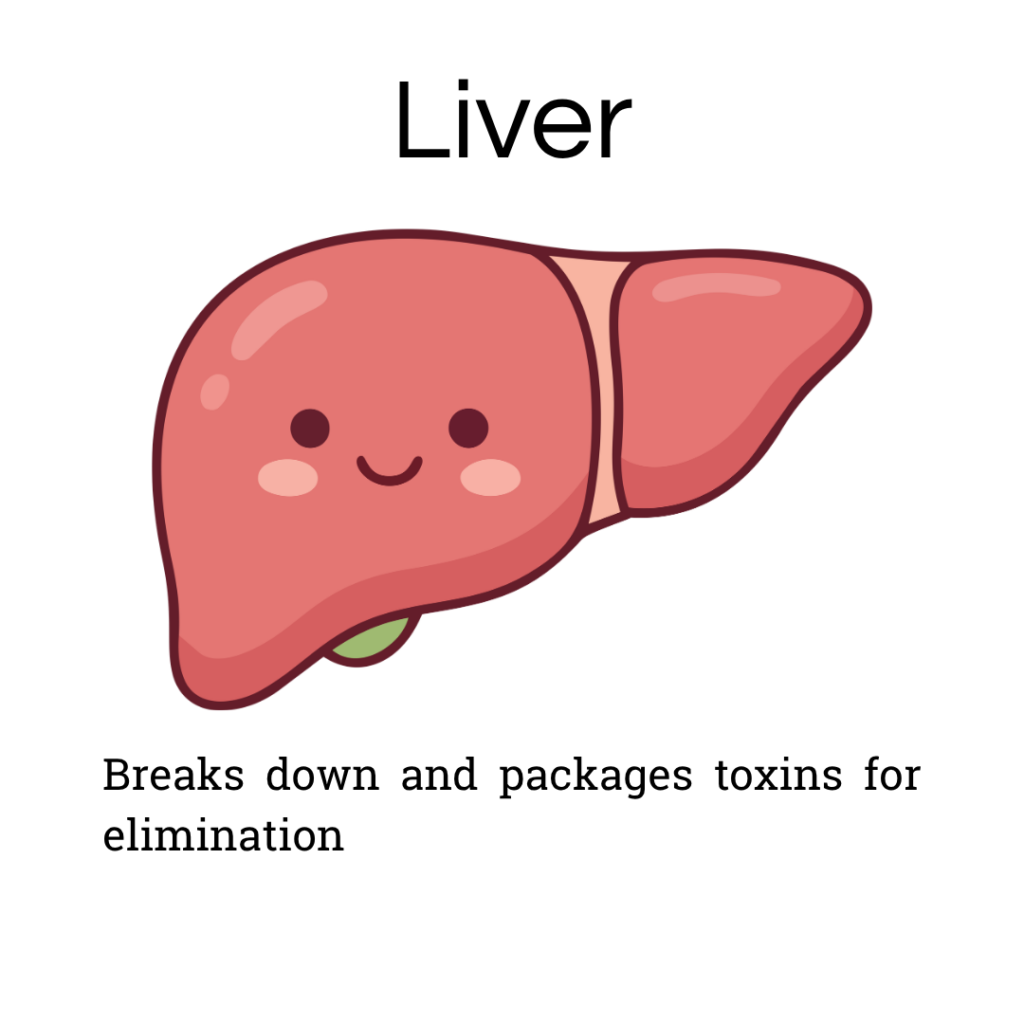
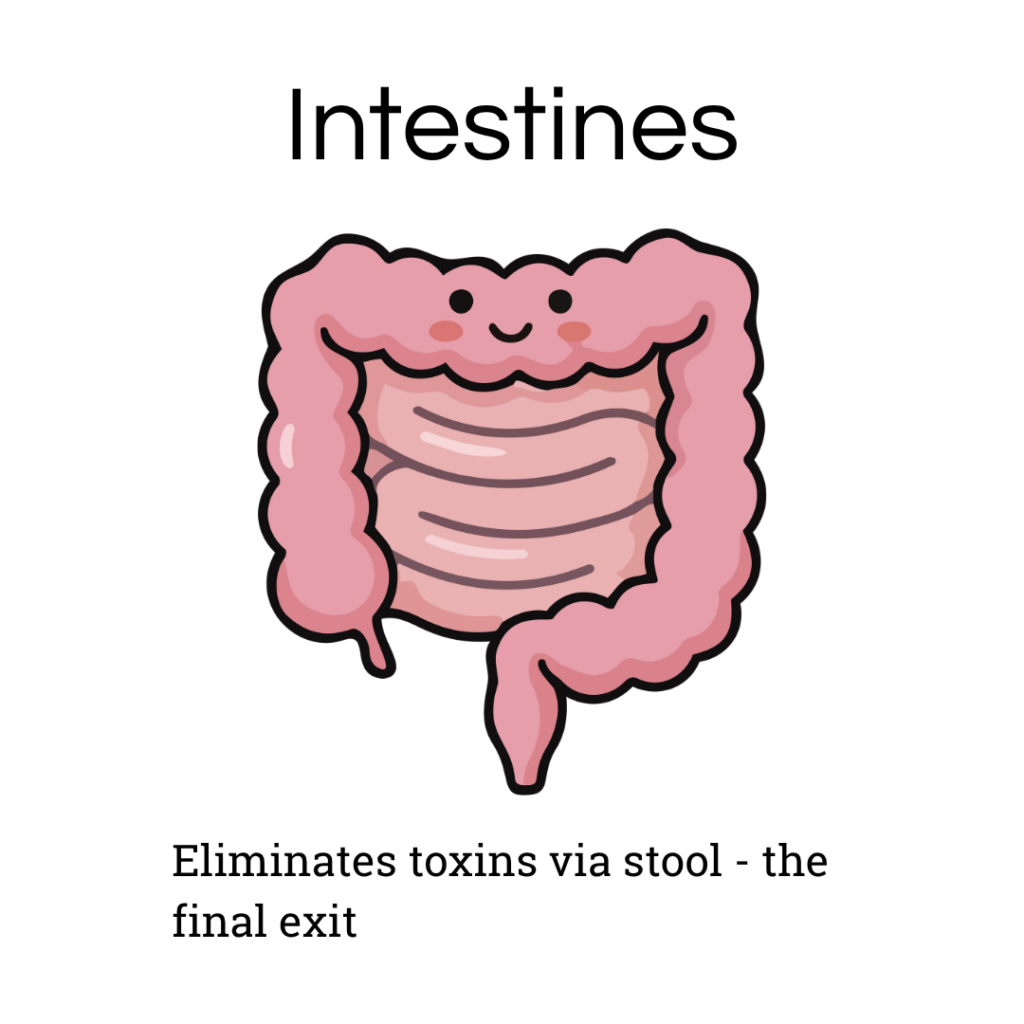
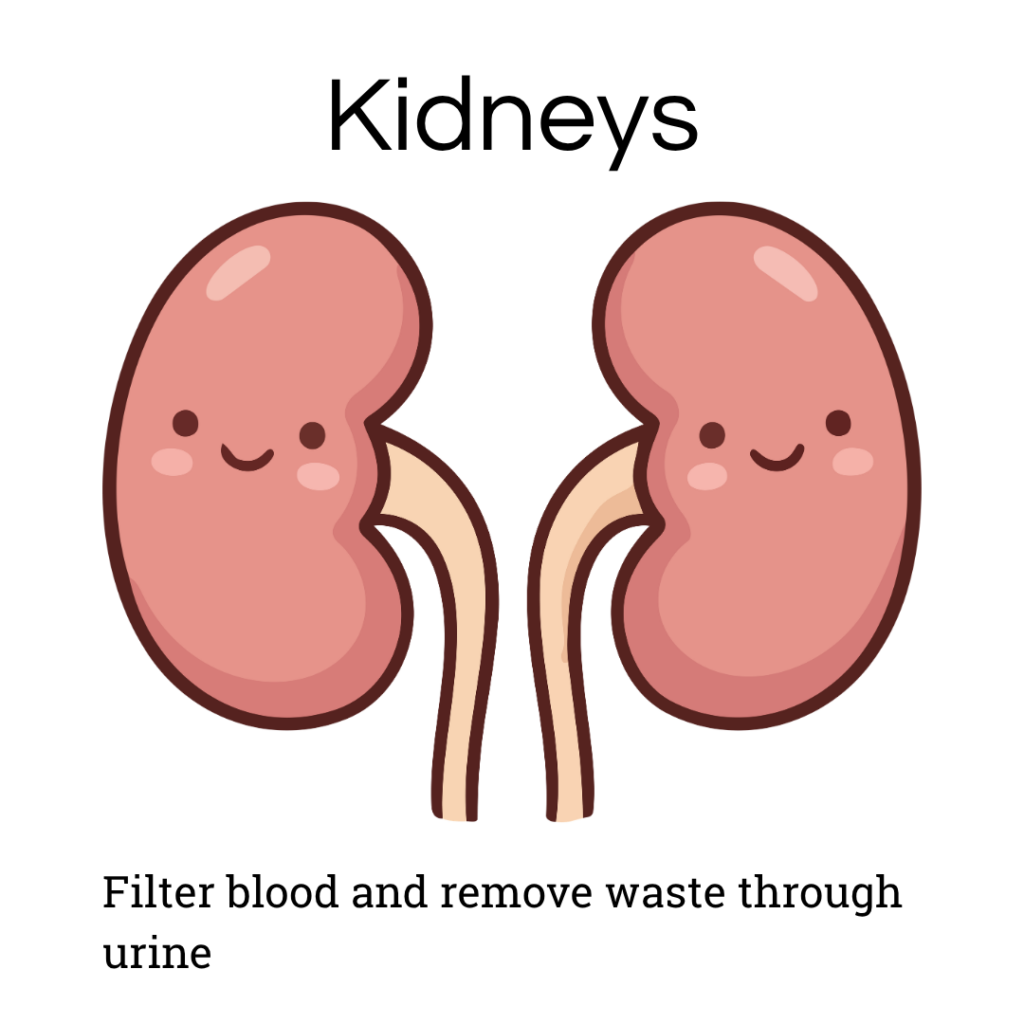
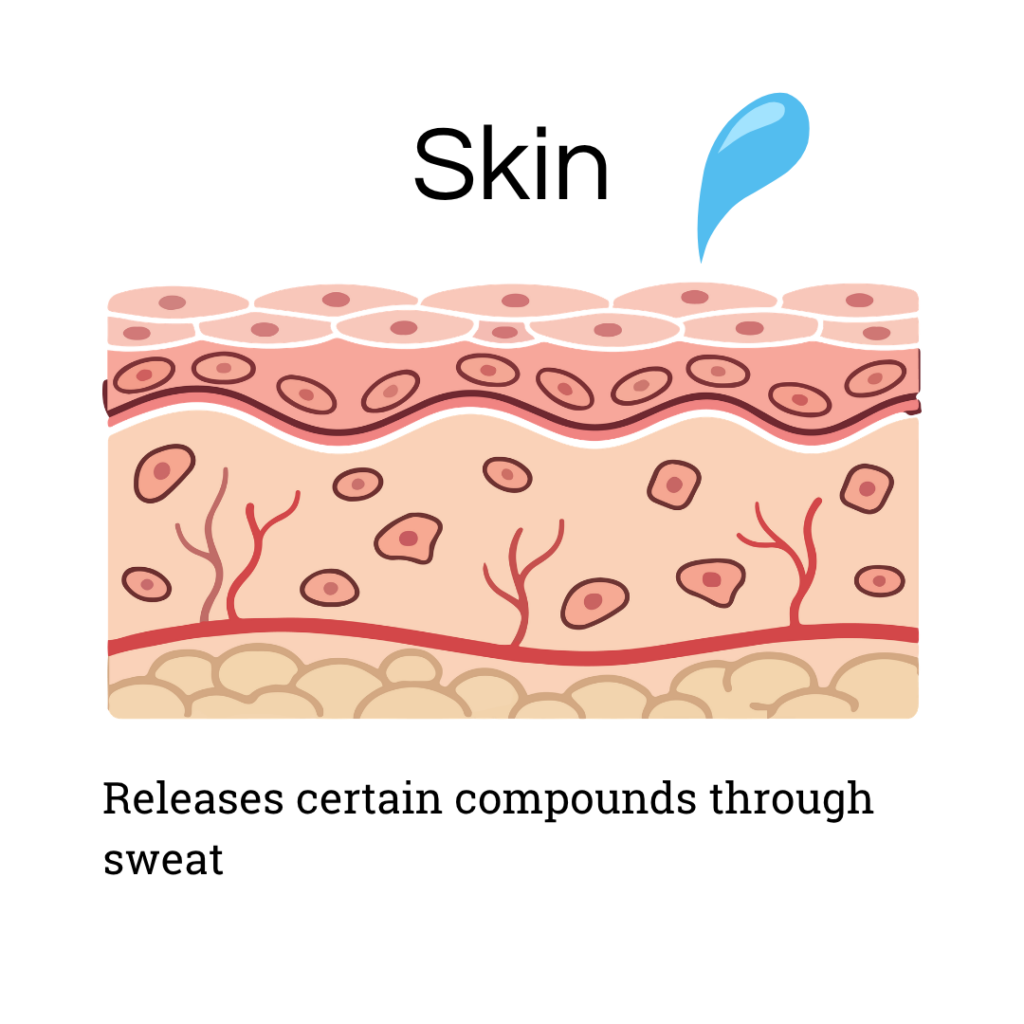
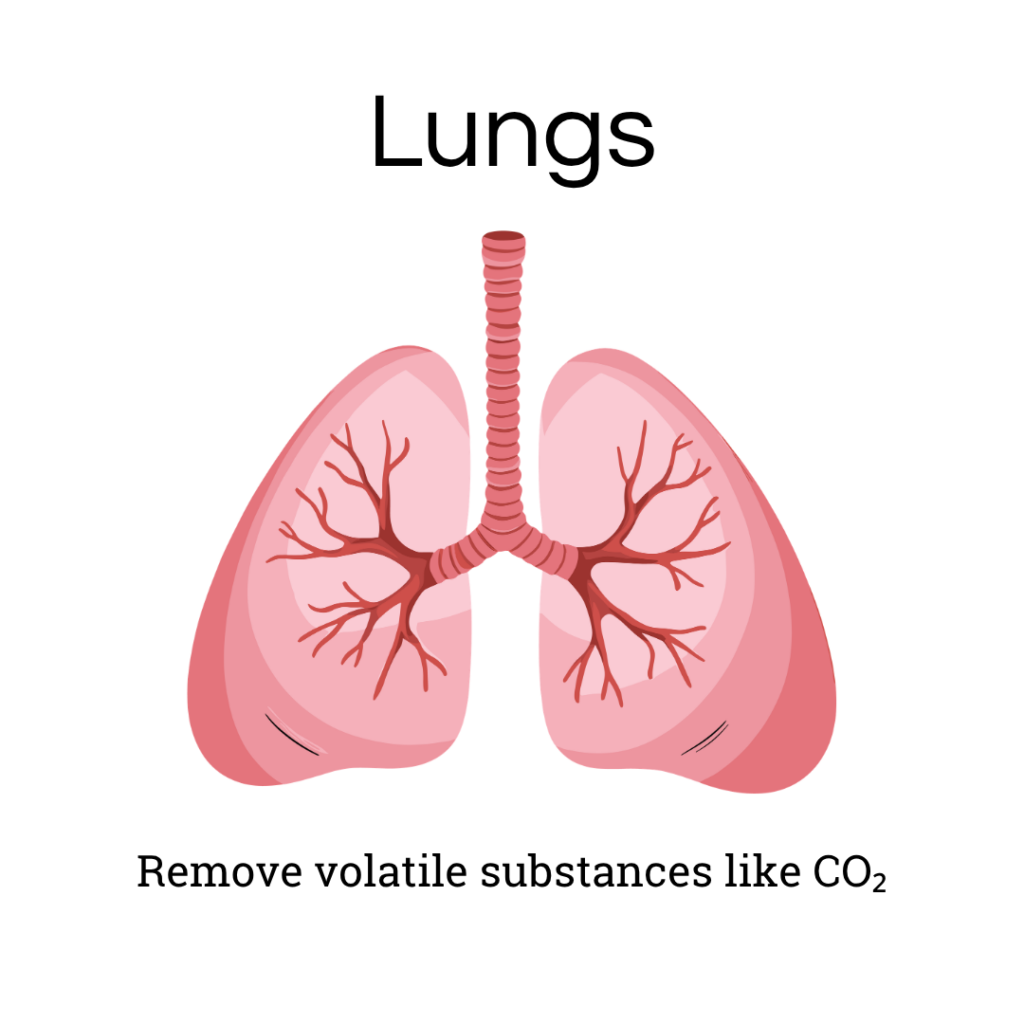
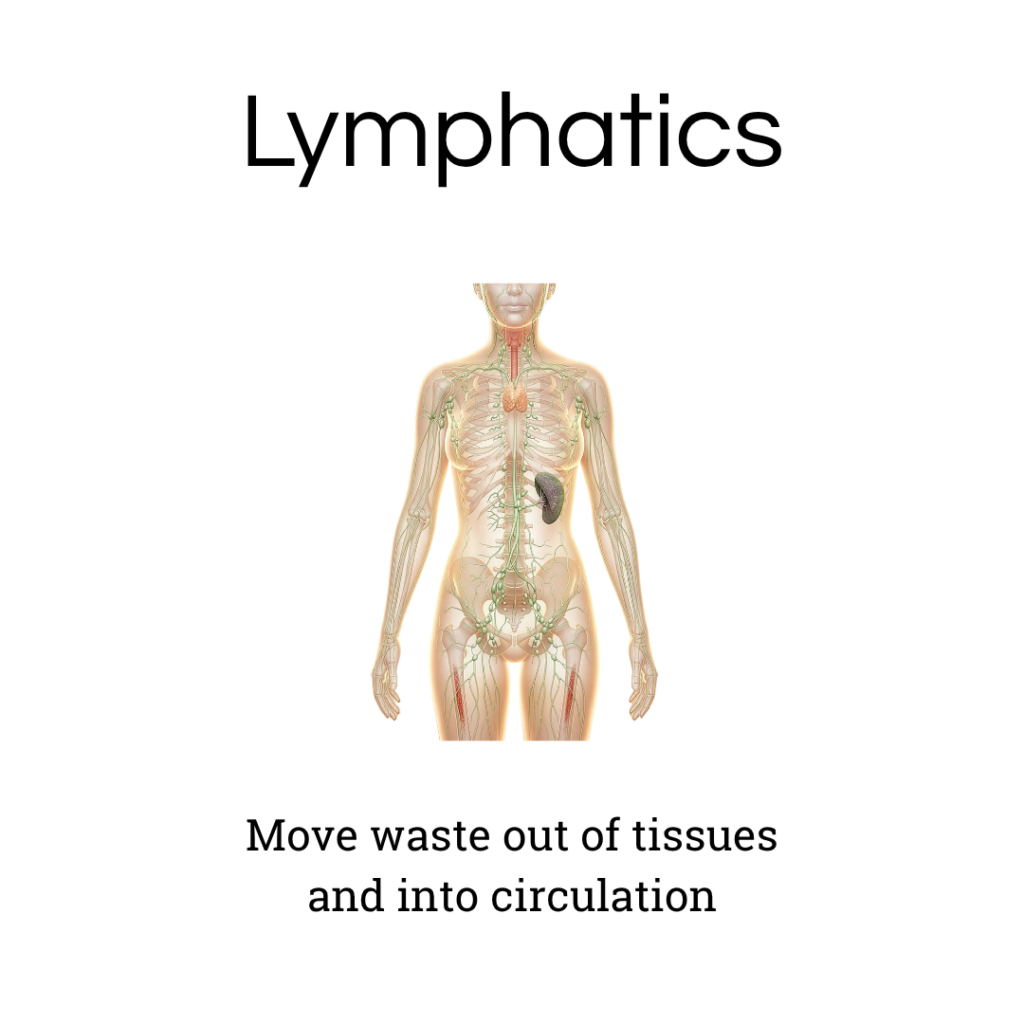
When everything flows well, this system works beautifully. When one part slows down, everything downstream can get backed up.
WHAT GETS IN THE WAY
Why detox can feel “sluggish”
Think of detox as a flow system, not something you turn on or off. Here are the most common patterns that interrupt that flow:
-
Modern chemical overload — more pollutants, synthetic compounds, processed foods, and medications than our ancestors ever faced.
-
Gut imbalances — when the microbiome is off, certain microbes can produce more toxins and inflammatory byproducts than the body can efficiently process and eliminate.
-
Poor bile flow — bile carries toxins from the liver to the intestines. If it’s sluggish, they don’t exit efficiently.
-
Infrequent bowel movements — toxins sitting in the intestines longer than intended can be reabsorbed.
-
Chronic stress — quietly slows digestion, liver function, and multiple detox pathways at once.
None of this means your body is failing.
It means your system may need support and consistent, intentional care.
THE LIVER’S SECRET WEAPON
Glutathione: your body’s master antioxidant
The liver is your body’s central processing plant, filtering up to two quarts of blood per minute, breaking down toxins, regulating hormones, and producing bile. But it doesn’t do this alone.
It relies heavily on glutathione, a compound made in every cell that neutralizes toxins so they can be safely excreted. Your body produces it, but only with the right raw materials: the amino acids cysteine, glutamine, and glycine, which come from protein.
If digestion is off → protein breakdown may be compromised → glutathione production may be limited. Detox support doesn’t start in the liver. It starts with digestion.
THE ELIMINATION PIECE
Why bowel movements matter more than most people realize
Once the liver processes toxins, many are packaged into bile and sent to the intestines. From there, they need to leave the body, through your stool, AKA poop.
If you’re not eliminating regularly, those toxins don’t disappear. They get reabsorbed into circulation, recirculated back to the liver, or stored in tissues. This is why fiber, especially soluble fiber, is essential: it binds toxins and carries them out.
Supporting detox without supporting elimination is like taking out the trash and leaving the bags in your hallway.
HORMONAL HEALTH
Supporting your liver during perimenopause and menopause
This is where detox support becomes especially relevant. During perimenopause and menopause, your hormone patterns are shifting, sometimes gradually, sometimes unpredictably.
One of the liver’s key roles is processing and clearing used hormones, especially estrogen. As estrogen fluctuates (and often becomes relatively dominant compared to progesterone in perimenopause), your body relies more heavily on the liver to:
WHAT THE LIVER NEEDS
TO DO
– Break down estrogen
– Package it for elimination
– Move it into bile and the intestines
IF PATHWAYS ARE
SLUGGISH, YOU MAY NOTICE
– Bloating
– Breast tenderness
– Heavy or irregular cycles
– Mood swings
– Headaches
If these pathways are sluggish, hormones may not be cleared efficiently and can instead be re-circulated back into the body, adding to the hormonal load.
Even in menopause, when estrogen declines overall, how your body processes and clears hormones still matters. The liver is also involved in:
BROADER LIVER ROLES IN HORMONAL HEALTH
Cortisol Regulation
Thyroid Hormone Conversion
Neurotransmitter Balance
|
|
When you support your detox systems, you’re also supporting your hormonal transitions. Your body doesn’t just need to make hormones , it needs to clear them effectively too. |
SETTING THE RECORD STRAIGHT
Are “detox cleanses” actually worth it?
It depends on what kind of cleanse we’re talking about.
Think of it like caring for your teeth. Every day you brush your teeth and ideally floss regularly. This helps keep your teeth and gums healthy and functioning well. But every so often, you still go to the dentist for a deeper cleaning. They’re able to remove tartar buildup and clean areas that daily brushing and flossing simply can’t fully reach. You do this not because your oral hygiene is failing, but because even consistent daily care can only do so much.
Your body works similarly.
The short-term juice cleanses and detox teas that promise to “flush your system” in three days often miss the point entirely. Your body’s detox systems are continuous, dynamic, and interconnected. No weekend cleanse changes the underlying infrastructure.
But a deeper, more intentional cleanse done once or twice a year with a structured, nutrition-first approach is a different thing altogether.
We are exposed to more environmental toxins, heavy metals, pesticides, and synthetic compounds than at any other point in human history. Even a well-supported system can benefit from periodic, focused support.
A reset that nourishes the liver’s detox pathways, provides the amino acids needed for detoxification, supports elimination through fiber, and keeps nutrition robust is working with your body, not against it.
So the real answer isn’t cleanse or don’t cleanse. It’s: build the daily foundation first, and layer in intentional deeper work one to two times a year.
AN ANALOGY
Think of it like a city’s traffic system
LIVER
Central processing center
BLOOD
Main highways carrying everything to where it needs to go
INTESTINES
Exit routes – when blocked, traffic backs up everywhere
LYMPHATIC SYSTEM
Side streets clearing local congestion
A “cleanse” is like trying to clear traffic by yelling at drivers to go faster. Real support means fixing the bottlenecks and improving the overall flow.
SIGNALS TO WATCH OUT FOR
Signs your detox systems may need support
SKIN
acne
eczema
psoriasis
HORMONES
PMS
estrogen dominance
low testosterone
cortisol dysregulation
ENERGY
fatigue
blood sugar swings
metabolic sluggishness
BRAIN + MOOD
migraines
anxiety
poor sleep
These aren’t random. They’re signals worth paying attention to.
FOOD-FIRST FOUNDATIONS
Key nutrients that support your detox systems
- Protein (amino acids): Provides building blocks for glutathione production
- Sulfur-rich foods: Support liver detox pathways directly
- Vitamin C: Supports antioxidant and immune systems
- Soluble fiber: Binds toxins and carries them out through stool
GOING DEEPER
The 6 Pathways of Liver Detoxification
Your liver actually works in two distinct phases of detoxification. Understanding how they connect changes how you think about supporting them.
PHASE I:
Transform
The liver takes incoming toxins and transforms them into compounds the body can process further. The catch is that these compounds are often more reactive than the original toxin, which is exactly why Phase II needs to work efficiently.
PHASE II:
Sort + Eliminate
The compounds created during Phase I are then directed into six distinct detoxification pathways, each designed to process different categories of substances. Think of it like sorting trash into compost, recyclable paper, recyclable metals, and general waste. Each category requires its own system for processing and removal.
If one pathway is backed up or under-nourished, those compounds don’t simply disappear, they recirculate. Here’s a simplified look at each Phase II pathway, what it clears, and the foods that keep it moving:
Pathway
What It Helps Detox
Key Supporting Foods
Glutathione Conjugation
acetaminophen, heavy metals, mold, damaged fats, bacterial toxins, nicotine, fertilizers
Amino Acid Conjugation
aspirin, benzoate (preservative), excess levels of vitamin B3
Methylation
estrogens, neurotransmitters, histamine, heavy metals
Sulfation
neurotransmitters, estrogens, testosterone, thyroid hormones, bile acids, food chemicals
Acetylation
histamine, caffeine, tyramine, sulfa drugs
Glucuronidation
acetaminophen, aspirin, hormones, food additives, bilirubin
DIGESTIBLE INSIGHTS SUBSCRIBERS GET MORE
Newsletter subscribers receive an extended list of liver-supporting nutrients, plus a sample day meal plan showing you exactly how to put it together on a plate.
HERBAL SUPPORT

Dandelion (Taraxacum officinale) has been used in traditional herbal medicine for centuries to support liver health and digestion. While modern human research is still limited, many in-vitro and animal studies appear to support what traditional herbalism has long observed.
Current research suggests that dandelion may offer:
- antioxidant effects
- anti-inflammatory effects
- support for bile flow and digestion
- hepatoprotective (“liver-protective”) activity in experimental models
One of the simplest ways to explore this herb is through dandelion root tea. Dandelion root tea is dark and earthy in flavor, often blended with chicory root as a caffeine-free coffee alternative.
Dandelion root is generally considered a safe herb for most people, with allergic reactions being one of the more common concerns, particularly for individuals sensitive to plants in the daisy family (ragweed, marigolds, sunflowers).
That said, herbalism is deeply personal. The right herb for one person may not be the right fit for another, and some herbs can interact with medications or may not be appropriate for certain health conditions. Before adding any herb to your routine, it is always wise to check with your physician, especially if you are taking medications or managing a health condition.
Working with a clinical herbalist can also help ensure you are choosing herbs that genuinely support your body, history, and goals, rather than taking a one-size-fits-all approach.
WHERE TO START
5 Practical Steps
- Support daily elimination
Add fiber and hydration to encourage consistent bowel movements. - Eat enough protein
Your glutathione production depends on getting adequate amino acids daily. - Add one bitter food daily
Arugula, dandelion greens, or lemon can help support digestion and bile flow. - Move your body
Movement supports circulation and lymphatic drainage. Even a short 5-minute walk after meals can help. - Reduce overload gradually
Swap one product or habit at a time. Sustainable support is far more effective than drastic changes.
Ready to go deeper?
If you’re confused about how to apply wellness knowledge in practical, sustainable daily life, or you feel like you’re doing all the “right things” but still not seeing meaningful changes, the answer is often in the details: food sensitivities, genetic patterns, nervous system stress, and functional lab markers.
This is exactly the kind of work we do inside the 12-week Thrive in Your G.E.N.E.S. program.
1:1
Health Coaching
Personalized guidance from a Board Certified in Holistic Nutrition® consultant, National Board Certified Health & Wellness Coach, and clinical herbalist, tailored to your unique body, symptoms, and goals.
Accountability
Support that helps you stay consistent between sessions and navigate real-life challenges as they come up.
Sustainable Habits
Building sustainable daily patterns that support long-term energy, digestion, mood, and resilience.
A free consultation to explore how Thrive in Your G.E.N.E.S. can support you
Want more like this?
Join the newsletter for exclusive wellness resources and be the first to know when a new blog post goes live.
Sign up below.