
Have you ever wondered why some days you can handle just about anything, while other days even a small unexpected challenge leaves you feeling undone? Or why someone else seems to stay calm under pressure while you feel like you have the constitution of a gluten-free cookie, ready to crumble at the slightest bump?
Many have been there. And many are told it’s a mindset problem. It usually isn’t just that.
THE BIOLOGY BEHIND STRESS RESILIENCE
Stress has earned a bad reputation, but the truth is that stress itself isn’t the enemy. It’s a normal and necessary part of life. In fact, a complete absence of stress isn’t a sign of health, it’s a sign that we’re no longer alive. Our bodies are designed to experience stress, adapt to it, and become stronger because of it.
When your brain senses a challenge, it sends your body into “response mode.” Stress hormones like adrenaline and cortisol help you react by increasing your energy, sharpening your focus, and preparing you to take action. This response is incredibly helpful when the challenge is temporary.
The problem isn’t stress itself. The problem is when your body stays in response mode for too long without enough time or support to recover.
Think of it like your phone battery. It depletes throughout the day, and that’s not a flaw. That’s just how it works. But if you never plug it in to recharge, eventually the battery runs low. Your body works in a similar way.
Everyday stress uses energy and resources. Sleep, nourishing food, movement, moments of rest, and supportive relationships are some of the ways your body recharges. Without enough of those “recharging” moments, your ability to handle stress gradually decreases. That’s why the same situation can feel completely different depending on the day.
Think about how gardeners prepare young seedlings for life outdoors. Seedlings started indoors, where temperature, light, and water are carefully controlled, can’t simply be transplanted directly into the garden. The harsh sun, wind, and changing temperatures would overwhelm them. Instead, gardeners gradually introduce them to the outdoors through a process called hardening off. A little time outside each day allows the plants to adapt, strengthening their stems and preparing them to thrive.
Our bodies work much the same way. Small, manageable challenges followed by adequate recovery help us become more resilient. But when stress is constant and our bodies lack the nutrients, sleep, and recovery they need, even minor challenges can feel overwhelming.
The goal isn’t to eliminate stress. The goal is to build resilience so your body can respond, recover, and adapt over time.
CONTRIBUTING FACTORS
5 Factors That Affect Your Stress Resilience
- Nervous System Load
If you’re constantly “on,” your body never fully shifts into recovery mode. Poor recovery affects sleep, digestion, hormones, and energy. This is also why G in my G.E.N.E.S. framework stands for Ground Your Body. Nervous system support isn’t an afterthought; it’s woven throughout the entire process. When the body feels safer and more regulated, everything else tends to respond better. - Mineral Status
Stress increases the body’s need for several important minerals. Low magnesium, potassium, and other trace minerals can contribute to fatigue, muscle tension, headaches, poor sleep, and that persistent feeling of being overwhelmed. Most people don’t realize that what feels like a stress problem may also be a mineral depletion problem. I’ve experienced this personally. When minerals are replenished, it is amazing how much better the body can feel. - Blood Sugar Stability
Frequent blood sugar spikes and crashes are physiological stressors. They activate the same stress response system as emotional or situational stress. We all know that hangry person, or we might even be that person. Stable blood sugar provides a steadier supply of energy for both your brain and nervous system, which makes a meaningful difference in how resilient you feel throughout the day. - Sleep
Even one poor night of sleep can make everyday challenges feel much bigger than they actually are. Sleep is when many of your body’s repair processes occur, including the regulation of stress hormones, immune function, and the consolidation of the nervous system’s ability to handle the next day. - Gut Health
Your gut and brain communicate constantly through the gut-brain axis. Digestive discomfort, inflammation, an imbalanced microbiome, and nutrient absorption issues may all influence how resilient your body feels under stress. In fact, the vast majority of the body’s serotonin is produced in the gut, a neurotransmitter that plays a key role in mood, emotional regulation, and stress resilience. While gut-produced serotonin and brain serotonin operate somewhat differently, the gut-brain connection is real and significant. A well-nourished, balanced gut microbiome supports neurotransmitter production, immune regulation, and the body’s overall ability to adapt.
GENETICS
Stress resilience isn’t determined by one gene, but several genetic variants may influence how your body responds to and recovers from stress. Understanding these can help explain why the same situation affects different people so differently.
COMT · CATECHOL-O-METHYLTRANSFERASE
Neurotransmitter breakdown & stress response
COMT helps break down dopamine, epinephrine, and norepinephrine, the neurotransmitters most active during stress. Some COMT variants process these more slowly, which may mean feeling stimulated or “wired” longer after stressful events. Others process them more quickly. Neither is inherently better. They simply influence how individuals experience and recover from stress, and what kinds of support may be most helpful.
MAOA & MAOB · MONOAMINE OXIDASE A & MONOAMINE OXIDASE B
Emotional regulation & nervous system balance
MAOA and MAOB work together to break down neurotransmitters including serotonin, dopamine, and norepinephrine. MAOA has a broader influence on mood and emotional regulation, while MAOB is more specific to dopamine and motivation. Genetic differences in either enzyme may influence how the nervous system responds under pressure, how quickly it recovers, and how resilient someone feels day to day. As with COMT, genes are not destiny. Nutrition, sleep, movement, and lifestyle all influence how these genes are expressed.
KEY NUTRIENTS & FOODS
Magnesium
Supports hundreds of enzymatic reactions and helps muscles and the nervous system relax. Found in pumpkin seeds, spinach, black beans, almonds, and dark chocolate.
Vitamin C
Your adrenal glands are responsible for producing your stress hormones, including cortisol and adrenaline. When you are under stress, your adrenal glands are working hard and vitamin C is one of the nutrients they rely on most. In fact, the adrenal glands contain some of the highest concentrations of vitamin C in the body, which is one reason stress can deplete your vitamin C levels faster than you might expect. Found in bell peppers, kiwi, strawberries, broccoli, and citrus.
B Vitamins
Support energy production and healthy nervous system function. Found in eggs, meat, legumes, leafy greens, and nutritional yeast.
Omega-3 Fatty Acids
Support healthy inflammatory balance and brain health. Found in salmon, sardines, trout, walnuts, and chia seeds.
Protein
Amino acids from protein provide the building blocks for neurotransmitters. Aim to include a quality protein source at each meal.
Mineral-Rich Foods
Stress depletes minerals quickly, increasing the body’s need for magnesium, potassium, and other trace minerals. Leafy greens, avocado, nuts, seeds, coconut water, bone broth, and nettle tea are nourishing ways to help replenish what stress takes out.
HERBAL SUPPORT
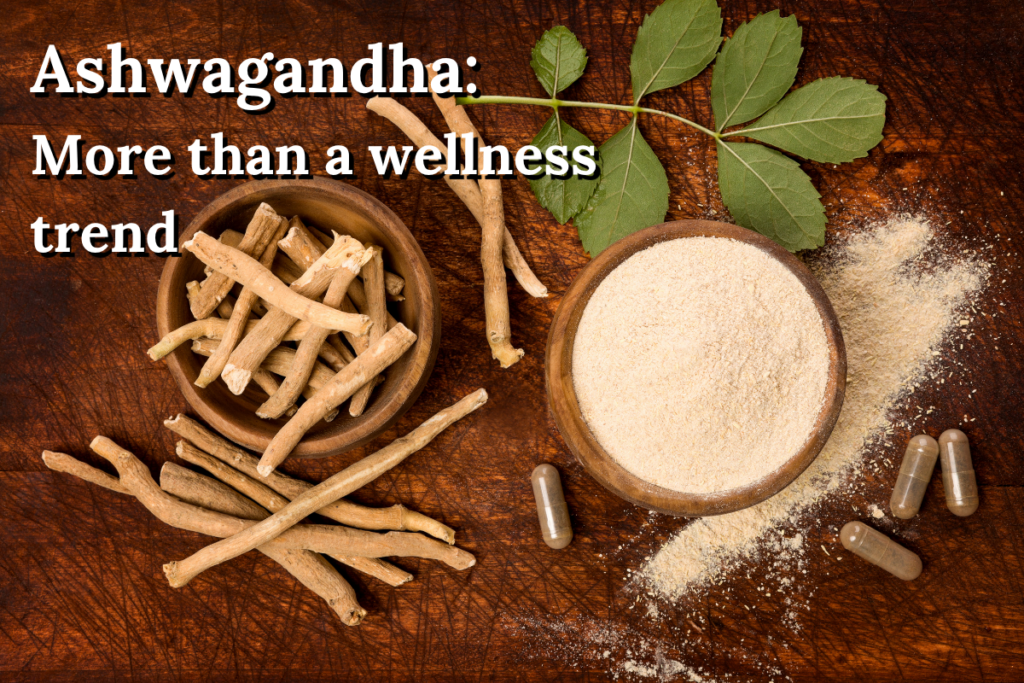
Ashwagandha (Withania somnifera) — a clinically studied adaptogen
Ashwagandha, also known as Withania somnifera or winter cherry, is one of the most well-researched herbs in a group called adaptogens. Adaptogens are herbs that help your body adapt to stress. Instead of forcing your body in one direction, they work by supporting your body’s natural ability to respond to physical and emotional stress and return to balance over time.
Ashwagandha has been used in Ayurvedic medicine for centuries in India as a tonic for vitality, resilience, and recovery. As a clinical herbalist, I have spent time reviewing the emerging research on ashwagandha, and what the studies show is consistent and compelling.
Unlike herbs that simply calm you down or give you an energy boost, adaptogens work more subtly. Rather than overriding your body’s stress response, they help support your body’s ability to manage stress more effectively over time. Ashwagandha is thought to work primarily by supporting healthy cortisol levels, your body’s main stress hormone, which may explain why research has observed benefits across several areas, including stress, sleep, mood, cognition, and general well-being.
Although ashwagandha has a growing body of research behind it, that doesn’t mean it’s the right herb for everyone. In my herbal training, I wasn’t taught to match an herb to a symptom. I was taught to match the herb to the person. Before recommending ashwagandha, I consider an individual’s health history, medications, lifestyle, constitution, and overall health goals. For some people, ashwagandha may be an excellent choice. For others, a different adaptogenic herb may be a better fit. The goal is to choose the herb that best supports the individual, not simply the symptom.
Special Considerations: While ashwagandha has a strong safety profile for many adults, it isn’t appropriate for everyone. If you are pregnant or breastfeeding, have a thyroid or autoimmune condition, take medications that affect blood sugar, blood pressure, thyroid function, or the immune system, or have liver disease, speak with your healthcare provider before taking ashwagandha. Even natural supplements can interact with medications and may not be the best choice for every individual.
WHERE TO START
5 Practical Steps to Support Stress Resilience
Resilience isn’t built by avoiding every challenge. It’s supported by giving your body what it needs to respond, recover, and adapt. Choose one or two of these habits to start rather than trying to do everything at once.
1. Start Your Morning with Protein
A protein-rich breakfast helps support stable blood sugar, providing your body with steady energy throughout the morning.
What this looks like in real life: Enjoy eggs with vegetables, Greek yogurt with berries, a protein smoothie, or even leftovers from dinner.
2. Get Outside in the Morning
Spending about 10 minutes in natural morning light helps set your body’s internal clock, supporting healthy cortisol rhythms during the day and better sleep at night.
What this looks like in real life: Enjoy your morning coffee or tea outside, take a short walk around the block, or simply spend a few minutes on the porch before starting your day. On mornings when I can’t get outside, I’ll open a window and look toward the rising sun soon after waking.
3. Build in Micro-Recovery Moments
Resilience requires recovery, not just after vacations, but throughout the day. Even a few minutes of slow, intentional breathing can help shift your nervous system into a calmer, more regulated state.
What this looks like in real life: Before meals, before a stressful meeting, or between tasks, pause and take three to five slow, deep breaths, making your exhales slightly longer than your inhales. This simple practice can help signal to your body that it’s safe to relax.
4. Include Magnesium-Rich Foods Daily
Chronic stress can deplete magnesium, and low magnesium can make it harder for your body to cope with stress. Including magnesium-rich foods regularly is one simple way to support your nervous system and overall stress resilience.
What this looks like in real life: Add pumpkin seeds to your yogurt or oatmeal, include spinach in a smoothie or stir-fry, or enjoy a small square of dark chocolate as an intentional, nourishing treat.
5. Protect Your Sleep Routine
A consistent sleep schedule helps support your body’s natural stress response and gives your body time for restoration and recovery.
What this looks like in real life: Set a regular bedtime, keep lights low during the hour before bed, and limit screen time when possible. If screens are unavoidable, consider wearing blue light-blocking glasses. The blue light emitted from phones, tablets, computers, and televisions can suppress melatonin, the hormone that helps signal to your body that it’s time to sleep.
LOOKING FOR PERSONALIZED SUPPORT?
At Gut Guidance, I don’t simply recommend that clients “manage their stress.” I explore the factors that influence how their body responds to stress in the first place.
That may include evaluating nutrition, blood sugar patterns, sleep habits, digestive health, mineral status, food sensitivities, genetics, and daily routines to identify practical opportunities for support.
I combine holistic nutrition, genetics, food sensitivity testing, functional wellness education, functional lab interpretation, and behavior change coaching to help clients create personalized strategies that fit their unique needs and lifestyle.
If you’re looking for more personalized guidance, get started with a Wellness Blueprint Call to explore your health goals, discuss where you are today, gain clarity on your next steps, and determine whether working together is the right fit.
FINAL THOUGHTS
Stress is an unavoidable part of life, but staying stuck in a constant state of stress doesn’t have to be.
Your ability to respond to life’s challenges isn’t determined by willpower alone. It’s influenced by how well your body is nourished, rested, supported, and given opportunities to recover. Small, consistent habits like prioritizing sleep, nourishing your body with balanced meals, getting outside in the morning, and creating moments of recovery can make a meaningful difference over time.
Remember, resilience isn’t about becoming immune to stress. It’s about helping your body become better equipped to respond, recover, and adapt.
You don’t have to change everything today. Choose one habit to begin with, practice it consistently, and let those small changes build over time. Your body is remarkably adaptable, and every supportive choice you make is an investment in your future resilience.
Medical Disclaimer
The information provided in this article is for educational purposes only and is not intended to diagnose, treat, cure, or prevent any disease. It is not a substitute for individualized medical advice, diagnosis, or treatment. Always consult your licensed healthcare provider before making changes to your diet, supplements, medications, or healthcare plan.
REFERENCES
Alan, C. (2026). The Mineral Reset: An essential guide to replenishing your body and restoring your health. Hay House.
Banyan Botanicals. (2023). The benefits of ashwagandha: Your complete guide to Ayurveda’s most popular adaptogen.https://www.banyanbotanicals.com/info/plants/ayurvedic-herbs/ashwagandha/
Bauman, E. (n.d.). Reproductive Health + Aging Lecture 3: Male Hormones. Bauman College, Lesson 212.3.
Chandrasekhar, K., Kapoor, J., & Anishetty, S. (2012). A prospective, randomized double-blind, placebo-controlled study of safety and efficacy of a high-concentration full-spectrum extract of Ashwagandha root in reducing stress and anxiety in adults. Indian Journal of Psychological Medicine, 34(3), 255–262.
Drugs.com. (2023, December 4). Ashwagandha. https://www.drugs.com/npp/ashwagandha.html
Gopukumar, K., Thanawala, S., Somepalli, V., Rao, T. S. S., Thamatam, V. B., & Chauhan, S. (2021). Efficacy and safety of Ashwagandha root extract on cognitive functions in healthy, stressed adults: A randomized, double-blind, placebo-controlled study. Evidence-Based Complementary and Alternative Medicine, 2021, 1–10. https://doi.org/10.1155/2021/8254344
Kelgane, S. B., Salve, J., Sampara, P., et al. (2020). Efficacy and tolerability of Ashwagandha root extract in the elderly for improvement of general well-being and sleep: A prospective, randomized, double-blind, placebo-controlled study. Cureus, 12(2), e7083. https://doi.org/10.7759/cureus.7083
Lopresti, A. L., Smith, S. J., Malvi, H., & Kodgule, R. (2019). An investigation into the stress-relieving and pharmacological actions of an Ashwagandha (Withania somnifera) extract: A randomized, double-blind, placebo-controlled study. Medicine, 98(37), e17186. https://doi.org/10.1097/MD.0000000000017186
Lynch, B. (2018). Dirty Genes: A breakthrough program to treat the root cause of illness and optimize your health.HarperOne.
Pickering, G., Mazur, A., Trousselard, M., Bienkowski, P., Yaltsewa, N., Amessou, M., Noah, L., & Pouteau, E. (2020). Magnesium status and stress: The vicious circle concept revisited. Nutrients, 12(12), 3672. https://doi.org/10.3390/nu12123672
Salve, J., Pate, S., Debnath, K., et al. (2019). Adaptogenic and anxiolytic effects of Ashwagandha root extract in healthy adults: A double-blind, randomized, placebo-controlled clinical study. Cureus, 11(12), e6466. https://doi.org/10.7759/cureus.6466