
You eat less than you used to, you’re trying to move more, and your energy and weight still aren’t cooperating. Sound familiar?
It’s common to hear, “I used to have such a fast metabolism. I could eat anything and never gain weight. Now I eat so much less and the scale still creeps up.” It can be tempting to conclude that your metabolism is simply broken. But in most cases, that isn’t what’s happening.
When I was learning about how children develop best, I noticed that much of what helps kids thrive is true for adults, too. That’s no surprise, because we are all human. So let’s borrow that small-to-big thinking and apply it to your body. There are endless rabbit holes we could go down with metabolism. But what if we started with the smallest living unit, the cell, and asked what it needs to thrive?
THE BIOLOGY
Metabolism Is More Than Burning Calories
Metabolism does affect your weight and how efficiently you use the energy in food. But metabolism is much bigger than that. It is the sum of all the chemical reactions happening in your body.
It’s what keeps your heart beating, your lungs breathing, your food digesting, your brain thinking, and your body repairing itself while you sleep. So when your metabolism feels “off,” it’s not just about how many calories are burned. It’s about how well your body is running all of those processes at once, and that starts in your cells.
Every Process Has a Price: ATP
One of your cells’ main fuel sources is glucose, the sugar your body gets from food, especially carbohydrates. Your cells can also run on fat, but glucose is the preferred fuel for most of the cells in your body. Cells take that fuel and convert it into a molecule called ATP (adenosine triphosphate).
Think of ATP as a token or a coin. Every process in your body has a price, and that price is paid in ATP. Your heartbeat costs ATP. Digesting lunch costs ATP. Healing a cut, making hormones, and clearing out waste all cost ATP.
Meet Your Mitochondria
Just as your body has organs like your heart, lungs, and intestines, your cells have tiny organs called organelles. One critical to metabolism is the mitochondria.
The first step of breaking down glucose happens in the main body of the cell, but your mitochondria produce most of the ATP your body runs on. Nearly every cell has them, and hard-working cells in your heart, muscles, and brain can have thousands each. When your mitochondria run well, your body has the coins it needs. When they struggle, you feel it. You may feel a little broke, pun intended.
Your Cells Need More Than Glucose
Turning glucose into ATP isn’t a single step. It’s a long chain of chemical reactions, and I like to think of it as making potions. You combine a few ingredients and, poof, you have a new substance. Then that new substance becomes an ingredient in the next potion, and poof, another one appears. Your cells repeat this over and over until ATP is made, and each potion needs its own helper ingredients:
- Oxygen: Without enough oxygen, ATP production slows dramatically.
- Water: Water is the setting where these reactions take place, and it is used directly in several steps.
- Vitamins and minerals: B vitamins, magnesium, iron, and others act as helpers that keep each step moving.
Cells also need materials to build and repair themselves. Picture a cell with its squiggly outline. That outline is the cell membrane, and it is built largely from fats, along with proteins. So your body needs healthy fats, quality protein, and carbohydrates not only to fuel your cells but to build them, too.
CONTRIBUTING FACTORS
5 Reasons Your Metabolism May Feel Slower
In most cases, your metabolism isn’t broken. It’s overloaded, under-supported, or both. Five key factors can affect how efficiently your cells turn fuel into energy:
- Mitochondrial Stress
Making energy creates some “exhaust” in the form of free radicals. In small amounts, your body handles this well. But when the load gets too heavy from poor sleep, chronic stress, inactivity, nutrient gaps, environmental toxins, or years of wear and tear, your mitochondria can become less efficient. Fewer coins get made, and every process in your body has to run on a tighter budget.
To learn more about how your body clears environmental toxins every day, read Your Body Is Already Detoxing. - A Fuel Traffic Jam
On its way to becoming ATP, glucose is broken down into a molecule called acetyl-CoA, which then enters the mitochondria’s energy-making cycle. Think of it like cars merging onto a highway. When more fuel arrives than your mitochondria can process, acetyl-CoA starts to back up. Your body doesn’t waste it. Instead, it redirects the extra toward storage, largely as fat. - Glucose Overload & Insulin
Insulin is the hormone that helps move glucose out of your bloodstream and into your cells. When cells are repeatedly flooded with more fuel than they need, especially without the movement that helps burn it, researchers believe the excess can increase oxidative stress inside the mitochondria. Over time, cells can become less responsive to insulin. Blood sugar becomes harder to manage, and the traffic jam above gets worse.
If you’d like to explore how blood sugar affects your hormones, read The Hidden Link Between Blood Sugar and Hormonal Imbalance. - Stress & Recovery
Cortisol, one of your main stress hormones, raises blood sugar so you have quick fuel to respond to a challenge. That is helpful in the short term. But ongoing stress without enough recovery can keep blood sugar elevated even when you haven’t eaten anything, adding to the fuel overload your cells are managing. Poor sleep can have a similar effect.
To learn more about building your capacity to recover, read Why Stress Isn’t the Problem: It’s Your Capacity to Recover That Matters. If sleep is an area you’d like to support, read Why You Wake Up Tired: Sleep Is Only Part of the Story. - Life Stage & Muscle
Muscle is one of the largest users of glucose in your body, and it is packed with mitochondria. Muscle mass naturally declines with age unless we actively work to maintain it. For women, the hormonal shifts of perimenopause and menopause can also affect insulin sensitivity and where the body stores fat.
To learn more about how estrogen interacts with blood sugar and body composition, read Estrogen Dominance and Breast Health: What You Should Know.
GENETICS
Your genes help shape how your cells make energy, manage oxidative stress, store and release fat, and regulate appetite. A few worth knowing:
PPARGC1A • PPARG Coactivator 1 Alpha
PPARGC1A gives your body the instructions for making a protein called PGC-1α. Think of PGC-1α as the foreman that tells your cells when to build more mitochondria, your tiny energy factories. Movement is one of the strongest signals that puts this foreman to work. Some gene variants may make your body a little more or less responsive to that signal, but either way, moving your body helps your mitochondria.
SOD2 • Superoxide Dismutase 2
SOD2 makes a cleanup crew for your mitochondria. This antioxidant helps clear away some of the “exhaust” your energy factories create, and it needs the mineral manganese to do its job. Some variants may make the cleanup crew a little less efficient, which is one reason antioxidant-rich foods can be an important part of the bigger picture.
PLIN1 • Perilipin 1
PLIN1 makes a protein called perilipin that wraps around the fat stored inside your fat cells. Think of it as a gatekeeper that decides when stored fat can be let out and used for energy. Some variants may affect body weight and how people respond to eating more or less carbohydrate and fat. It’s one reason the same eating plan can work differently for different people.
ADRB2 • Adrenoceptor Beta 2
ADRB2 makes a doorbell on your fat cells that responds to adrenaline. When adrenaline rings it, your fat cells get the message to open the gate and release stored fat for fuel. Some variants may make that doorbell a little harder to hear, and they have been studied in connection with body weight and carbohydrate intake. Because adrenaline is a stress hormone, this gene is also a reminder of how closely stress and metabolism are connected.
FTO • FTO Alpha-Ketoglutarate Dependent Dioxygenase
FTO is one of the most studied genes related to body weight. Its variants seem to affect how hungry or full you feel and which foods you reach for, rather than causing a “slow metabolism.” The good news: research suggests regular movement may soften the effect of these variants.
Genes offer clues, not predictions. Your daily habits, environment, and life stage all influence how these genes are expressed.
KEY NUTRIENTS & FOODS
B Vitamins
B vitamins act as helpers throughout the energy-making process. B1 (thiamine) helps move glucose into the mitochondria’s energy cycle, while B2 (riboflavin), B3 (niacin), and B5 (pantothenic acid) help carry energy through each step until ATP is made.
Found in: Meat, poultry, fish, eggs, dairy, legumes, leafy greens, whole grains, mushrooms, and nutritional yeast.
Magnesium
Magnesium is so closely tied to energy production that most of the ATP in your cells exists bound to magnesium. It also supports hundreds of enzymes involved in blood-sugar regulation, muscle function, and nerve signaling.
Found in: Pumpkin seeds, almonds, cashews, beans, leafy greens, cacao, avocado, and whole grains.
Iron
Iron helps carry oxygen through your blood and is built into the mitochondrial machinery that makes ATP. Low iron is a common reason for fatigue, especially for women with heavy periods. Because too much iron can also cause problems, it’s best to check your levels rather than supplementing on your own.
Found in: Red meat, poultry, seafood, beans, lentils, tofu, spinach, and pumpkin seeds. Pairing plant sources with vitamin C foods helps absorption.
Healthy Fats
Your cell membranes, including the membranes of your mitochondria, are built from fats. Omega-3 fats in particular become part of these membranes and support how cells communicate and respond to insulin.
Found in: Salmon, sardines, mackerel, walnuts, chia, ground flaxseed, olive oil, and avocado.
Antioxidants
Antioxidants help your cells manage the natural “exhaust” created during energy production. Your body makes some of its own, like the SOD2 enzyme mentioned above, which depends on manganese. Colorful plant foods add even more support.
Found in: Berries, leafy greens, cruciferous vegetables, colorful peppers, citrus, nuts, seeds, herbs, spices, and whole grains (a good source of manganese).
PLANT SUPPORT
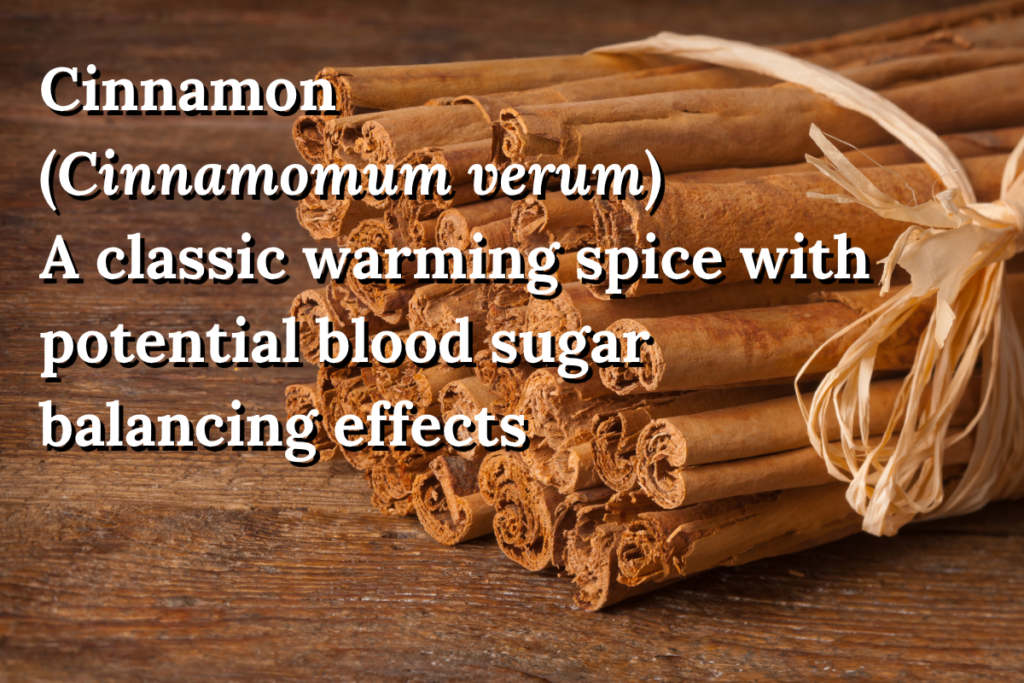
Cinnamon (Cinnamomum verum) is one of my favorite ways to bring plant support into everyday meals because it’s warming, familiar, and already in most kitchens. It makes a great spice for everything from savory meals to delicious desserts. However, I wouldn’t recommend it as a go-to spice for guacamole.
Cinnamon has been studied for its potential to support blood-sugar balance after meals. Seek out Ceylon cinnamon, AKA “true cinnamon,” instead of cassia cinnamon. If you take medications for blood sugar, check with your licensed healthcare provider before using cinnamon in concentrated or supplement form, since the effects may add together.
Like any herb, I think of cinnamon as a way to support the body, not replace the foundations.
WHERE TO START
5 Practical Steps to Support Your Metabolism
You don’t need a complicated protocol or a complete lifestyle overhaul. Your cells respond to small, consistent signals that tell them they have the fuel, nutrients, and recovery they need. Choose one or two steps to focus on before adding more.
1. Eat Enough to Fuel Your Cells
When you eat significantly less for long periods, your body may adapt by conserving energy, and you can lose muscle along with fat. Since muscle is one of your biggest glucose users, that can make your metabolism feel even slower. Eating enough overall gives your cells the fuel they need, and getting enough protein provides the building blocks your body uses to maintain muscle.
What this looks like in real life: Instead of skipping breakfast or running on coffee until lunch, start your day with a meal that includes protein, like eggs, Greek yogurt, or leftovers from dinner. Include a source of protein at each meal so you’re not trying to catch up at the end of the day.
2. Change the Order on Your Plate
Research suggests the order you eat your food may affect your blood-sugar response. Eating vegetables and protein before carbohydrates may lead to a gentler rise in blood sugar, so glucose reaches your cells at a pace they can use.
What this looks like in real life: Start dinner with a few bites of salad or roasted vegetables, then your protein, and save the rice, bread, or potatoes for last. You don’t have to give up the foods you enjoy. Just let them arrive a little later in the meal.
3. Pick Up the Pace
Remember PGC-1α, the foreman that tells your cells to build more mitochondria? Short bursts of more vigorous movement are one of the signals that put it to work. You don’t need a long or intense workout to send that message.
What this looks like in real life: On your next walk, add a few 30-second stretches where you move briskly enough that talking feels harder, then slow back down. Taking the stairs at a quicker pace or a short dance break in the kitchen counts, too. If you already walk after meals, this is an easy way to build on that habit.
4. Look for Nutrient Gaps
Your cells can’t make energy efficiently without enough of the helpers we covered, like iron and B vitamins. Low levels are more common than many people realize and may show up as fatigue, brain fog, or a feeling that your body just isn’t keeping up.
What this looks like in real life: Have your ferritin (your stored iron) and vitamin B12 levels checked, especially if fatigue has been lingering. If you already have lab results and aren’t sure what they mean for your energy, a Wellness Data Consultation can help you look at those patterns together.
5. Get Curious About Your Own Patterns
Every body responds a little differently to food, movement, stress, and sleep. The meal that keeps one person energized may leave another person sluggish an hour later.
What this looks like in real life: For one week, jot down how you feel one to two hours after meals. Do you feel energized, foggy, hungry, or ready for a nap? Notice patterns around specific meals, stressful days, or short nights. If you want to see what’s happening in real time, a continuous glucose monitor (CGM) can show how your blood sugar responds to your actual life, which is exactly what we explore together in my Demystify Your Metabolism webinar.
LOOKING FOR PERSONALIZED SUPPORT
How the G.E.N.E.S. Framework Supports Your Metabolism
We started this post with the smallest living unit, the cell. When you zoom back out, the same lesson holds: what your cells need, your whole body needs. Fuel, nutrients, movement, recovery, and your genetic tendencies all work together to decide how many “coins” your cells can make.
In my Thrive in Your G.E.N.E.S. Framework, we look at each of those pieces so your cells get the support they’ve been asking for:
G – Ground the Body: Build supportive foundations that give your cells steady fuel.
E – Explore Your Genetic Blueprint: Understand how genetic differences may influence mitochondrial function, antioxidant protection, fat storage and release, and appetite, while remembering that genes offer clues, not predictions.
N – Navigate Food Sensitivities: Explore whether certain foods may be adding to digestive or immune stress, then build a varied, nutrient-rich way of eating your body tolerates.
E – Enhance Resilience: Support stress recovery, nervous-system regulation, restful sleep, and gut resilience. Together, these help keep cortisol from constantly adding to your cells’ fuel load and support how well your body absorbs the nutrients your cells rely on.
S – Simplify & Sustain: Turn what you learn about your body into realistic habits that fit your actual life, rather than chasing a perfect metabolism.
Your metabolism isn’t broken. It may simply be asking for different support. When we look at nutrition, blood sugar, stress, genetics, and daily habits together, we can begin to see patterns that are easy to miss when focusing on calories alone.
If you’d like to understand how your body responds to food, movement, and stress in real time, I invite you to join my free Demystify Your Metabolism webinar. Choose the next live session that works for you. We’ll connect the dots between your cells, your blood sugar, and how you feel day to day.
FINAL THOUGHTS
It can be frustrating when your body doesn’t respond the way it used to. You may be eating less, trying harder, and still feeling tired or stuck. That frustration is understandable, and it isn’t a sign that you’ve failed.
Your metabolism is the work of trillions of cells, each doing its best with the fuel, nutrients, and recovery it receives. When those cells are overloaded or under-supported, they can’t make energy as efficiently. When they get what they need, they often respond.
You don’t have to address everything at once. Start with one small change, notice how your body responds, and build from there. Sometimes supporting your metabolism starts with understanding what your cells have been asking for all along.
Medical Disclaimer
The information provided in this article is for educational purposes only and is not intended to diagnose, treat, cure, or prevent any disease. It is not a substitute for individualized medical advice, diagnosis, or treatment. Always consult your licensed healthcare provider before making changes to your diet, supplements, medications, or healthcare plan.
REFERENCES
de la Forêt, R. (n.d.). Cinnamon uses and plant profile. LearningHerbs. https://www.learningherbs.com/blog/cinnamon-uses
Engeroff, T., Groneberg, D. A., & Wilke, J. (2023). After dinner rest a while, after supper walk a mile? A systematic review with meta-analysis on the acute postprandial glycemic response to exercise before and after meal ingestion in healthy subjects and patients with impaired glucose tolerance. Sports Medicine, 53(4), 849–869.
Fisher-Wellman, K. H., & Neufer, P. D. (2012). Linking mitochondrial bioenergetics to insulin resistance via redox biology. Trends in endocrinology and metabolism: TEM, 23(3), 142–153. https://doi.org/10.1016/j.tem.2011.12.008
Karra, E., O’Daly, O. G., Choudhury, A. I., Yousseif, A., Millership, S., Neary, M. T., … Batterham, R. L. (2013). A link between FTO, ghrelin, and impaired brain food-cue responsivity. Journal of Clinical Investigation, 123(8), 3539–3551. https://doi.org/10.1172/JCI44403
Kilpeläinen, T. O., Qi, L., Brage, S., Sharp, S. J., Sonestedt, E., Demerath, E., … Loos, R. J. F. (2011). Physical activity attenuates the influence of FTO variants on obesity risk: A meta-analysis of 218,166 adults and 19,268 children. PLoS Medicine, 8(11), e1001116. https://doi.org/10.1371/journal.pmed.1001116
Kim, J. A., Wei, Y., & Sowers, J. R. (2008). Role of mitochondrial dysfunction in insulin resistance. Circulation Research, 102(4), 401–414. https://doi.org/10.1161/CIRCRESAHA.107.165472
National Center for Biotechnology Information. (2026). ADRB2 adrenoceptor beta 2. https://www.ncbi.nlm.nih.gov/gene/154
National Center for Biotechnology Information. (2026). FTO alpha-ketoglutarate dependent dioxygenase. https://www.ncbi.nlm.nih.gov/gene/79068
National Center for Biotechnology Information. (2026). PLIN1 perilipin 1. https://www.ncbi.nlm.nih.gov/gene/5346
National Center for Biotechnology Information. (2026). PPARGC1A PPARG coactivator 1 alpha. https://www.ncbi.nlm.nih.gov/gene/10891
National Center for Biotechnology Information. (2026). SOD2 superoxide dismutase 2. https://www.ncbi.nlm.nih.gov/gene/6648
Shukla, A. P., Iliescu, R. G., Thomas, C. E., & Aronne, L. J. (2015). Food order has a significant impact on postprandial glucose and insulin levels. Diabetes Care, 38(7), e98–e99. https://doi.org/10.2337/dc15-0429
Smith, C. E., Arnett, D. K., Corella, D., Tsai, M. Y., Lai, C. Q., Parnell, L. D., Lee, Y. C., & Ordovás, J. M. (2012). Perilipin polymorphism interacts with saturated fat and carbohydrates to modulate insulin resistance. Nutrition, Metabolism and Cardiovascular Diseases, 22(5), 449–455. https://doi.org/10.1016/j.numecd.2010.09.003
Wardle, J., Carnell, S., Haworth, C. M. A., Farooqi, I. S., O’Rahilly, S., & Plomin, R. (2008). Obesity associated genetic variation in FTO is associated with diminished satiety. The Journal of Clinical Endocrinology & Metabolism, 93(9), 3640–3643. https://doi.org/10.1210/jc.2008-0472
Zarezadeh, M., Musazadeh, V., Foroumandi, E., Keramati, M., Ostadrahimi, A., … Mekary, R. A. (2023). The effect of cinnamon supplementation on glycemic control in patients with type 2 diabetes or with polycystic ovary syndrome: An umbrella meta-analysis on interventional meta-analyses. Diabetology & Metabolic Syndrome, 15, Article 127. https://doi.org/10.1186/s13098-023-01057-2